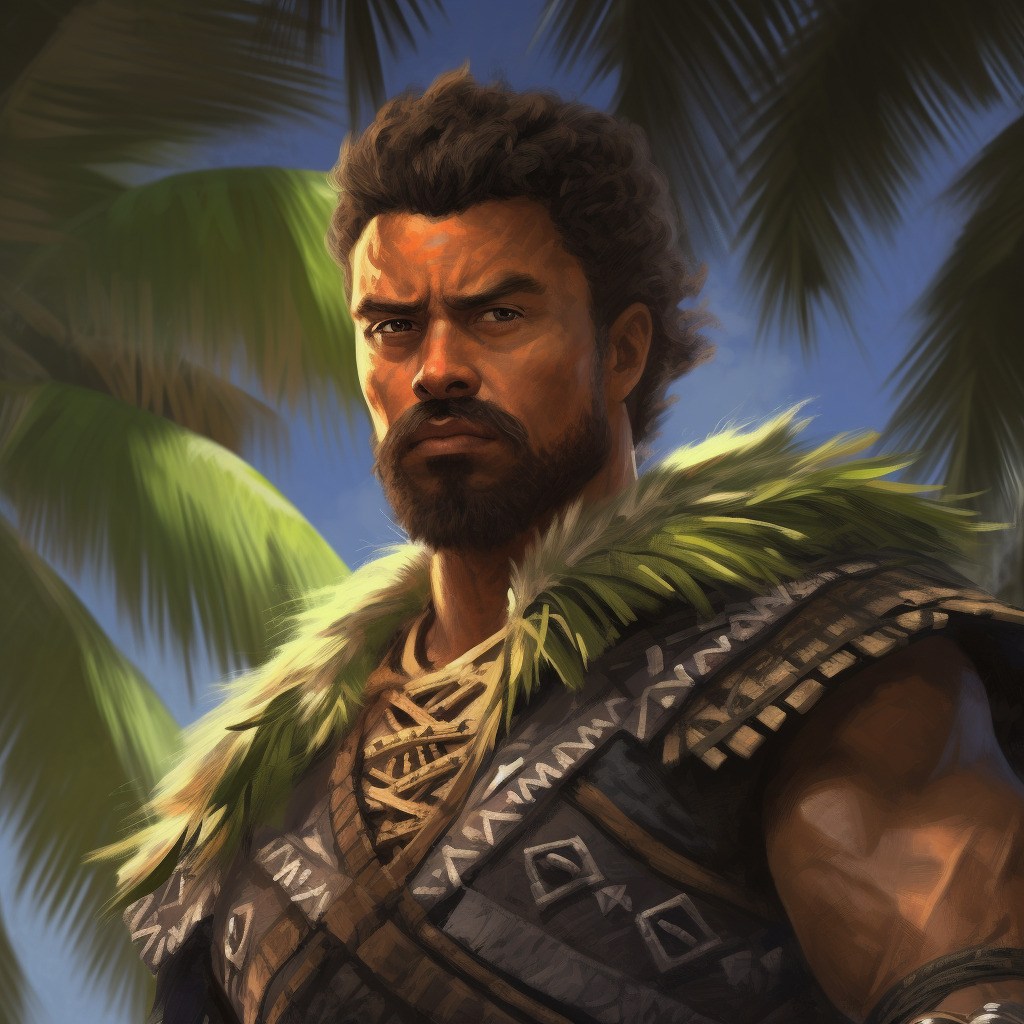
Moronihah was the son of Captain Moroni, who yielded command of the Nephite armies to him around 60 B.C. and retired to his house to spend the rest of his days in peace (Alma 62:43). In the year his father died, a Lamanite army came against Moronihah’s people and was beaten and driven back to its own lands with great loss (Alma 63:15). After he had established peace between the Nephites and Lamanites, the judgment-seat was left vacant in the forty-second year of the reign of the judges, and contention arose over who should fill it (Helaman 2:1).
Around 51 B.C. the Nephite dissenter Coriantumr led a Lamanite army through the center of the land and took the capital city of Zarahemla. Moronihah had expected an attack on the border cities and had stationed his armies there, so Coriantumr’s march through the interior left him exposed. Moronihah sent Lehi to head the Lamanites off before they reached the land Bountiful, then attacked them in their retreat. In the battle Coriantumr was killed, the Lamanites were surrounded, and Moronihah retook Zarahemla and sent the prisoners out of the land in peace (Helaman 1:25-33).
In the wars that followed, the Nephites and Moronihah’s armies were driven into the land of Bountiful (Helaman 4:6). The Book of Mormon is explicit about why: the Spirit of the Lord had withdrawn from the Nephites because it does not dwell in unholy temples, leaving them without the divine preserving power that had sustained them in earlier wars (Helaman 4:24-25). In the sixtieth year of the reign of the judges he recovered many of the cities that had fallen to the Lamanites (Helaman 4:9). Moronihah preached against the people’s iniquity, as did Nephi and Lehi the sons of Helaman; as the people repented, Moronihah led them from city to city until they had regained half their property and lands (Helaman 4:14-20). In the sixty-second year he could obtain no more from the Lamanites, who were too numerous, and he set his armies to holding the territory he had taken (Helaman 4:18-19).