베냐민

니파인들의 선지자이자 왕

❮ 이전

베냐민

Benjamin succeeded his father Mosiah as king over the people of Zarahemla, where the Nephites and the people of Mulek had been joined, beginning his reign around 124 BC (Omni 1:23-25). Amaleki, having no heir, delivered the small plates to Benjamin, judging him a just man before the Lord (Omni 1:25).

During his reign the Lamanites came up from the land of Nephi to attack, and Benjamin led his armies against them, fighting with the sword of Laban, and drove them out of the lands of Zarahemla (Omni 1:24; Words of Mormon 1:13-14). With the help of the holy prophets among his people, he put down false Christs, false prophets, and internal contention, and “by laboring with all the might of his body and the faculty of his whole soul” established peace in the land (Words of Mormon 1:13-18). He taught his three sons, Mosiah, Helorum, and Helaman, in the language and records of their fathers, including the brass plates, and charged them to keep the commandments (Mosiah 1:2, 1:5-6).

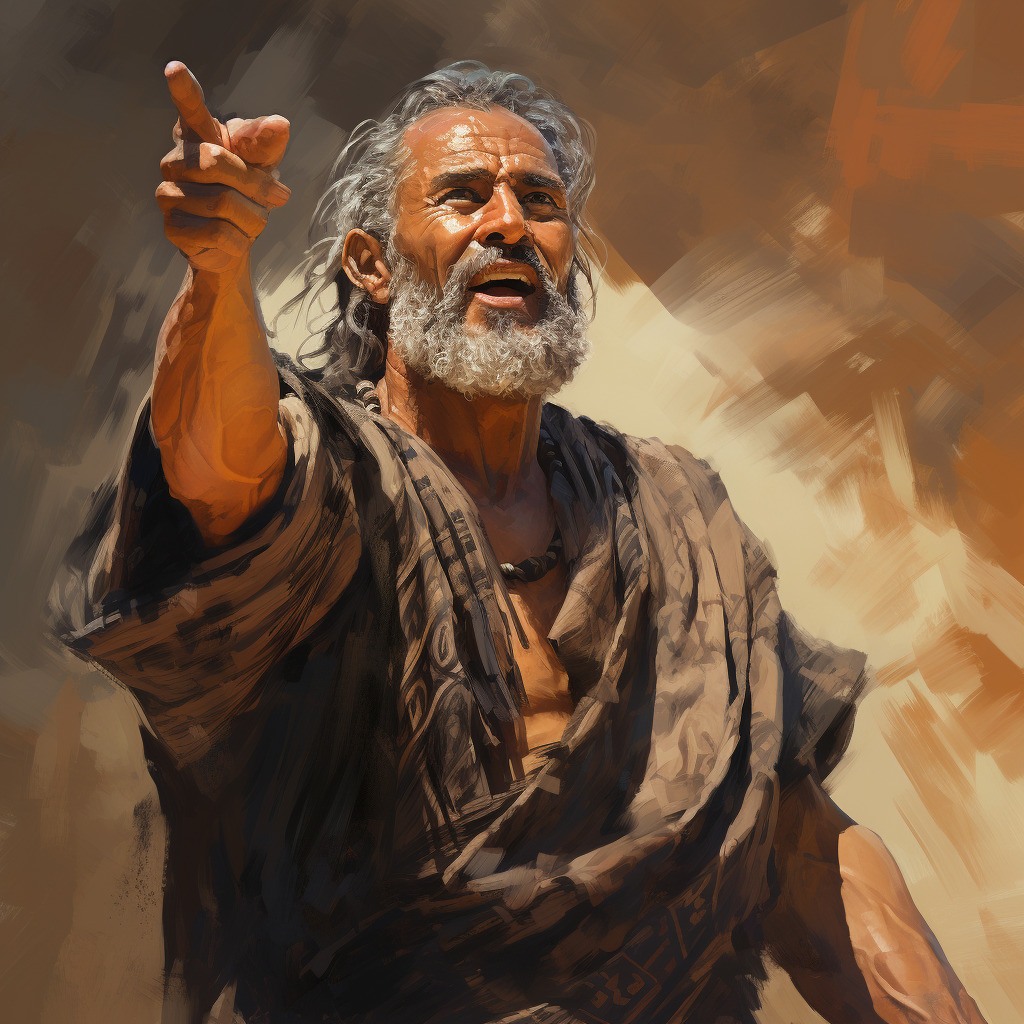
Before conferring the kingdom on his son Mosiah, Benjamin had the people gather at the temple to hear him; because the multitude was too great to hear from one place, he spoke from a tower and had his words written and sent to those out of hearing (Mosiah 2:1, 2:8). The messianic prophecy he shared in that address had come by angelic revelation: Benjamin told his people that “the things which I shall tell you are made known unto me by an angel from God” (Mosiah 3:2). His address taught that serving one’s fellow beings is serving God (Mosiah 2:17), that salvation comes only through the name of Christ (Mosiah 3:17), that the natural man is an enemy to God until he yields to the Holy Spirit and is changed through the atonement (Mosiah 3:19), and called the people to repent and forsake their sins (Mosiah 4:10). The full sermon runs from Mosiah 2:9 through 4:30.

In response the people covenanted to obey God and to take upon themselves the name of Christ (Mosiah 5:5-8). Benjamin declared them “the children of Christ, his sons, and his daughters,” because “this day he hath spiritually begotten you” through faith on his name (Mosiah 5:7). Benjamin recorded the names of all who entered the covenant, found that all but the little children had done so, consecrated Mosiah as king, and appointed priests to teach (Mosiah 6:1-3). He lived three years afterward and died, around 121 BC (Mosiah 6:5).

❮ 이전